John Rey Malto
Discover Estong Guiruela, a Filipino Mixed Media Artist Transforming Scrap Materials into Remarkable Miniature Sculptures
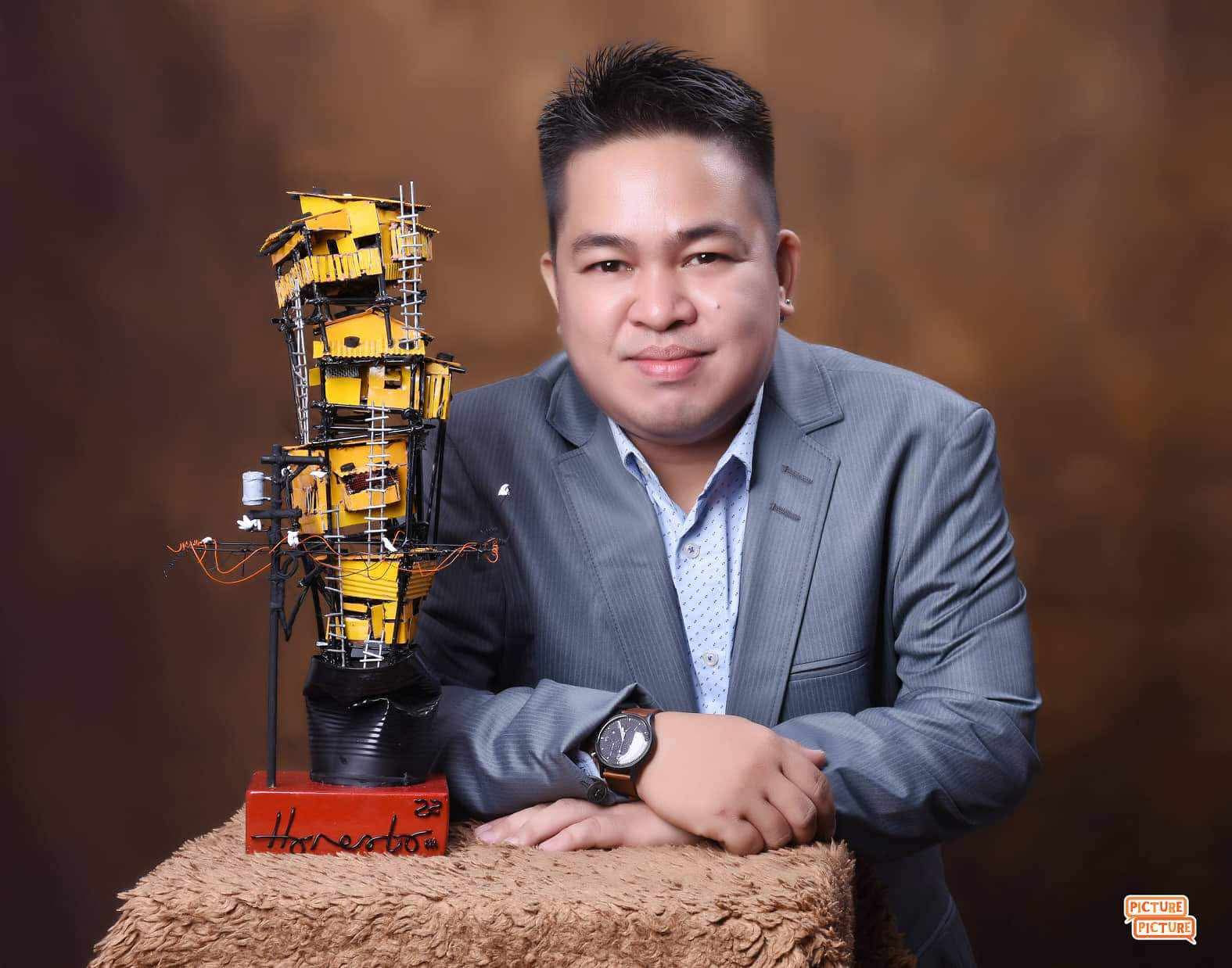
Estong Guiruela | Filipino Mixed Media Artist, Recycled Art Sculptor, and ManilArt Featured Artist
 In the heart of the Philippines’ urban communities—where resilience, creativity, and resourcefulness shape everyday life—a remarkable voice in contemporary art has emerged. Honesto “Estong” Guiruela III is a Filipino mixed media artist celebrated for transforming discarded materials into highly detailed miniature sculptures that tell powerful stories of Filipino life.
Rather than viewing scrap materials as waste, he sees them as opportunities for artistic expression. As a result, his works capture the realities of poverty, perseverance, community, and cultural identity through intricate handcrafted creations. Moreover, his distinctive artistic approach has earned recognition from collectors, galleries, cultural institutions, and international audiences.
- Estong Guiruela | Filipino Mixed Media Artist, Recycled Art Sculptor, and ManilArt Featured Artist
- Early Life of a Filipino Mixed Media Artist: From Scarcity to Creativity
- Signature Style: Miniature Shanty House Sculptures Using Recycled Materials
- Breakthrough at ManilArt: Rise in the Philippine Art Scene
- International Recognition: A Filipino Artist with Global Reach
- Promoting Art Beyond the Gallery
- Art Philosophy: Finding Value in the Discarded
- Influence on Contemporary Filipino Art
- Conclusion: Building Masterpieces from Everyday Materials
- Frequently Asked Questions About Estong Guiruela
- Who is Estong Guiruela?
- What type of art does Estong Guiruela create?
- What materials does Estong Guiruela use in his artworks?
- Why are Estong Guiruela’s artworks significant?
- What is “Pinoy Tataynik”?
- Has Estong Guiruela received international recognition?
- What is Estong Guiruela’s artistic philosophy?
- How does Estong Guiruela contribute to the art community?
- Lessons from Estong Guiruela’s Journey
- The Lasting Legacy of Estong Guiruela
- Final Thoughts
Today, Estong stands at the forefront of recycled art, sustainable sculpture, and contemporary Filipino mixed media art. Through his innovative creations, he demonstrates that creativity can thrive even in challenging circumstances while inspiring others to discover beauty and value in overlooked materials.
Early Life of a Filipino Mixed Media Artist: From Scarcity to Creativity
 Born on October 1, 1982, in Valenzuela City, Philippines, Estong Guiruela grew up between Valenzuela and Potrero, Malabon—communities known for their dense neighborhoods and limited resources. Consequently, his surroundings became a major influence on the artistic vision that would later define his career.
 As a child, he had little access to commercial toys. Instead, he created his own using discarded materials found around him. This early habit of recycling and building miniature objects sparked a lifelong fascination with Matchbox cars, figurines, and small-scale structures.
Furthermore, these childhood experiences taught him how to see value where others saw limitations. Over time, that perspective became one of the defining characteristics of his artistic identity.
 Initially, Guiruela dreamed of becoming an architect. However, challenges with mathematics encouraged him to explore another creative path. He eventually pursued Fine Arts, majoring in Painting at the University of the East. That decision became a turning point and ultimately helped shape his identity as one of the Philippines’ most distinctive mixed media artists.
Although his academic direction changed, his fascination with structures, design, and miniature environments remained. Consequently, those interests would later become central elements in his most recognizable works.
Signature Style: Miniature Shanty House Sculptures Using Recycled Materials
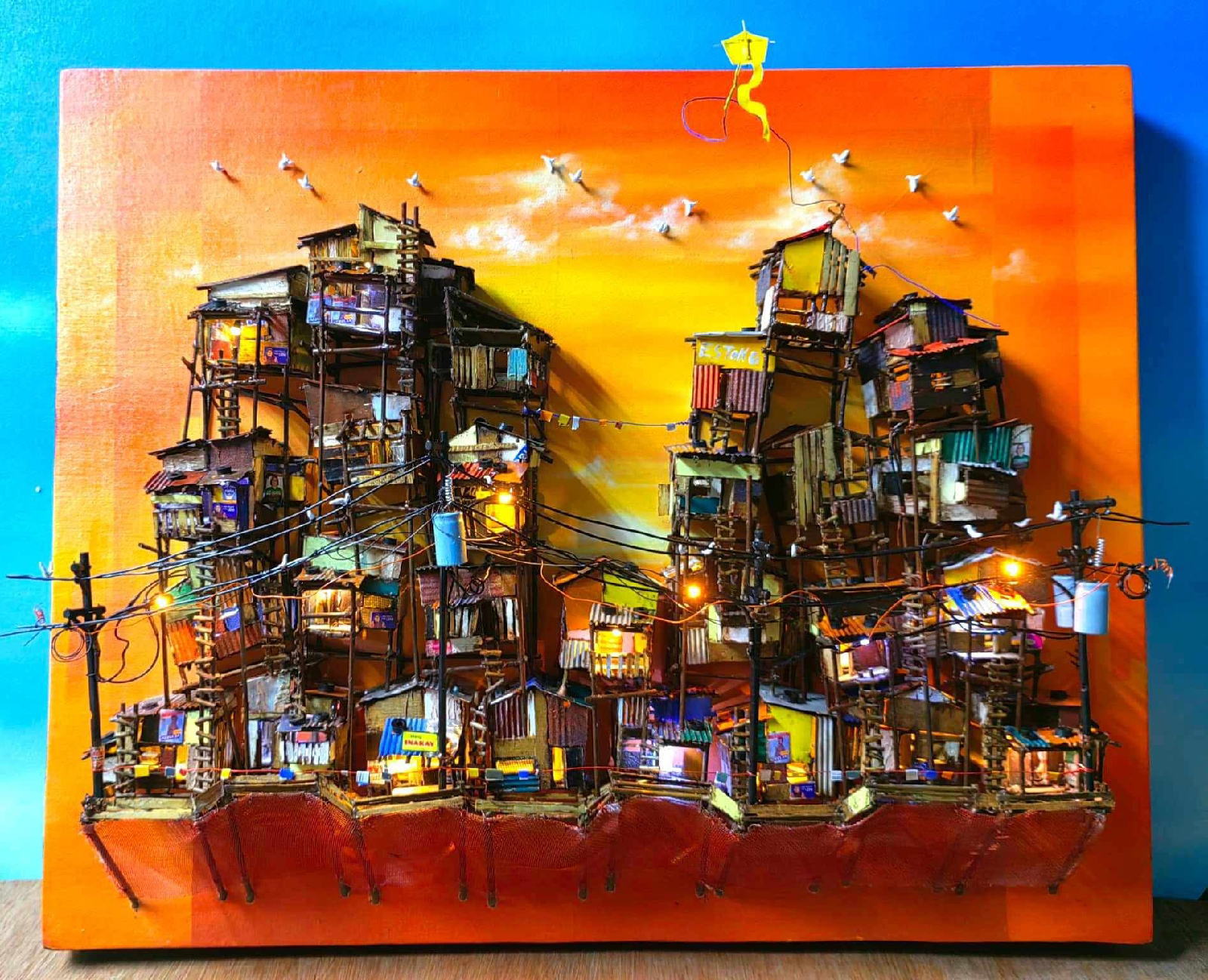
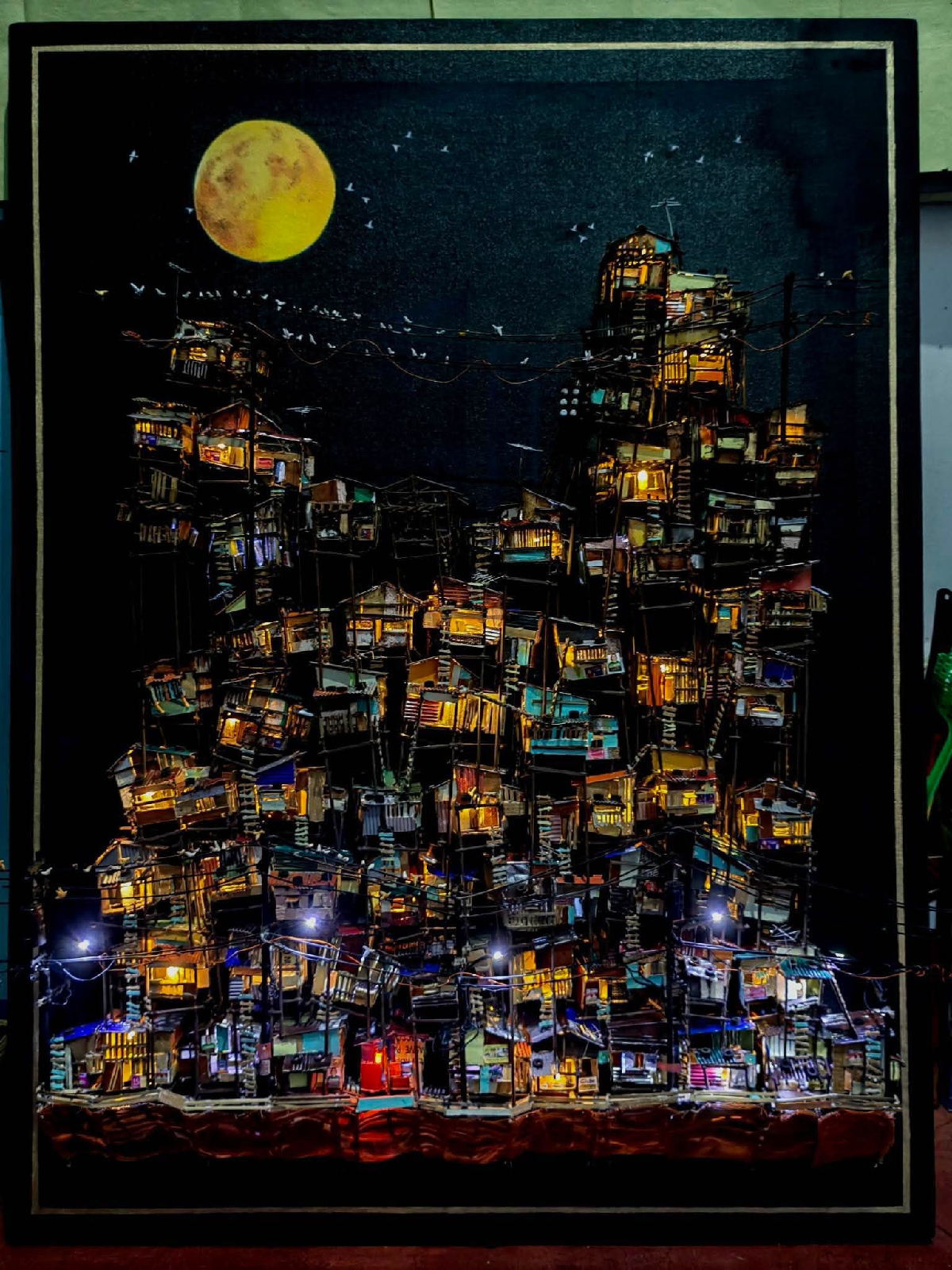
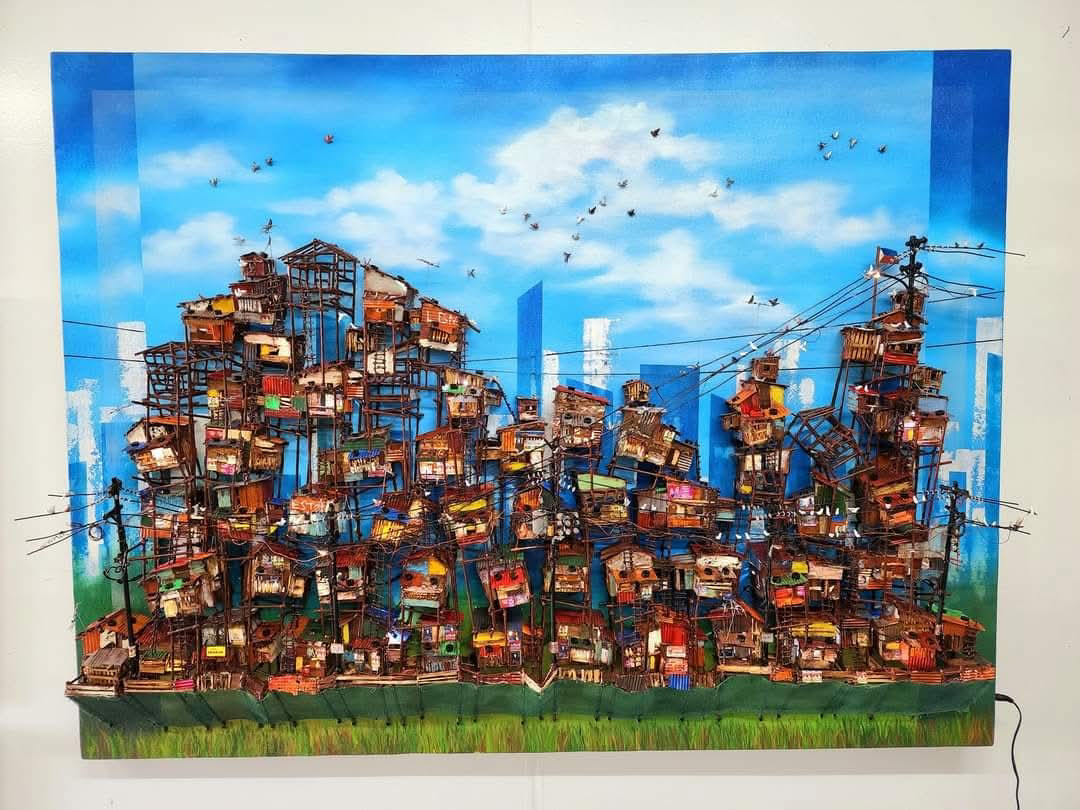
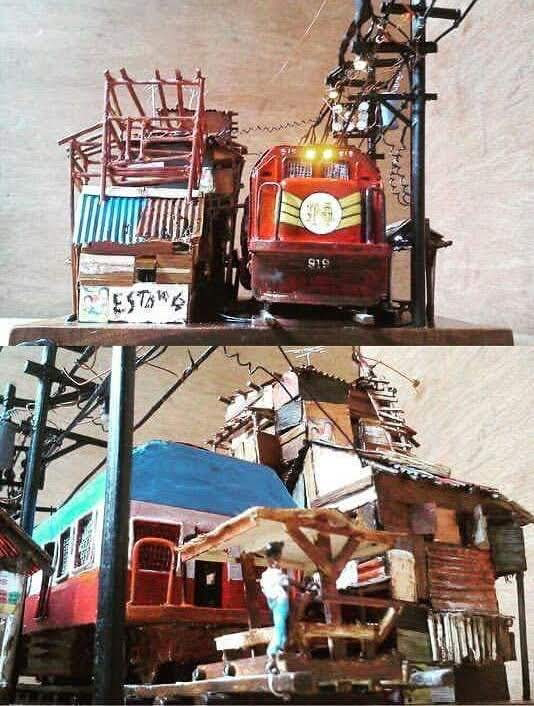
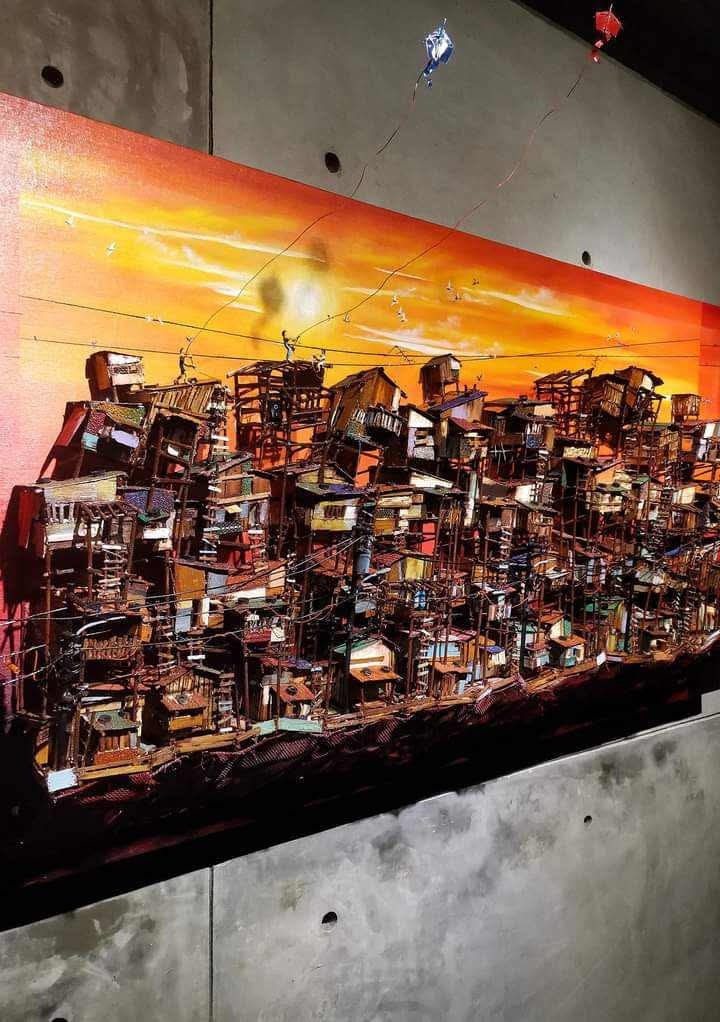
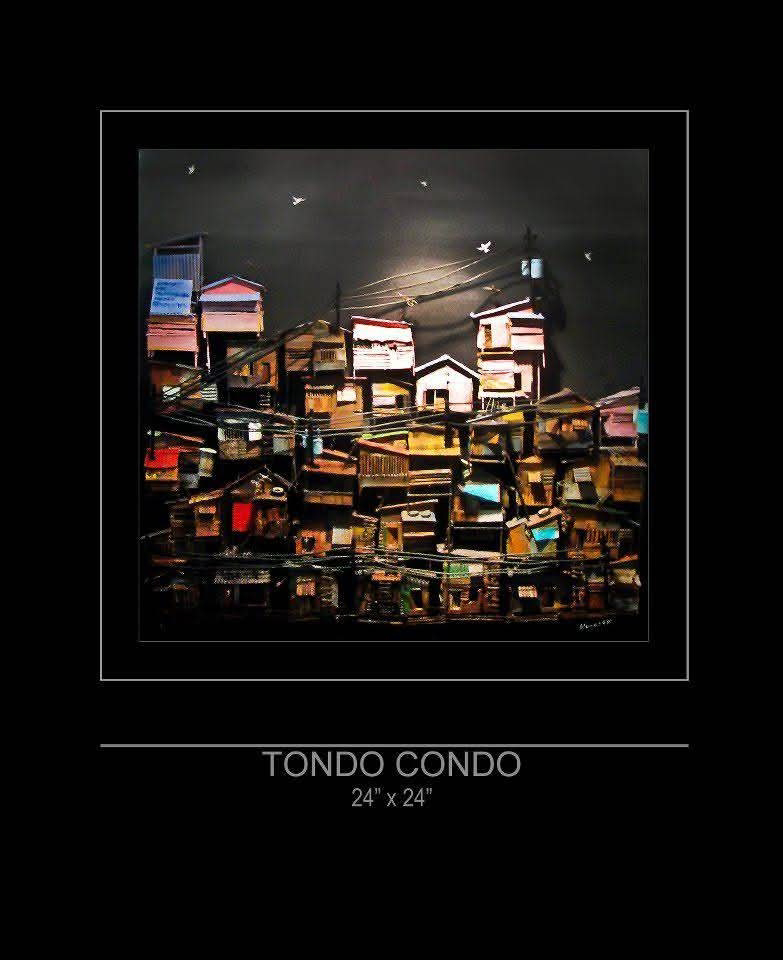
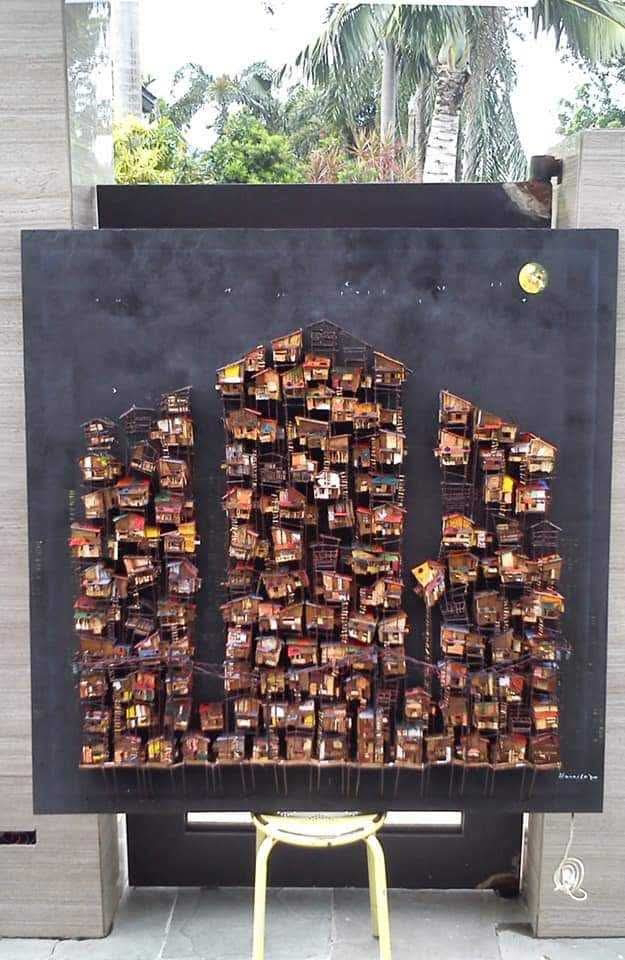
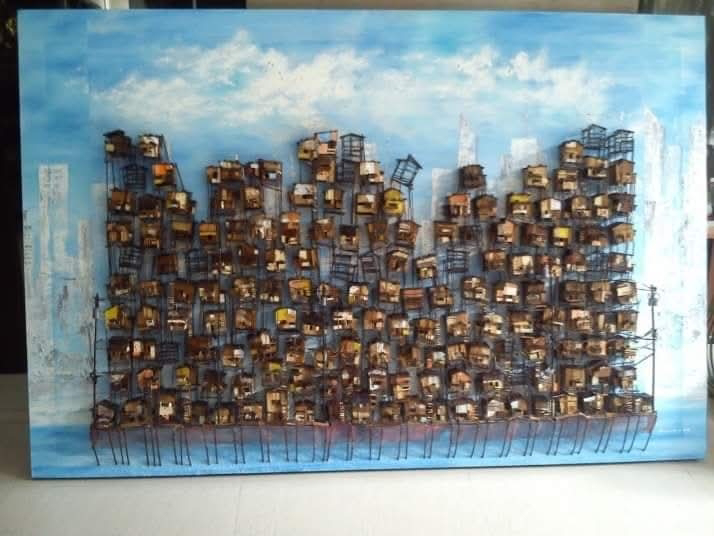
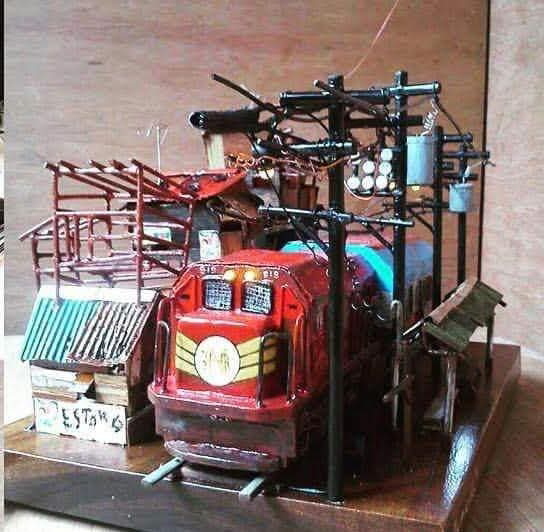 Estong Guiruela is best known for his highly detailed miniature shanty house sculptures inspired by real-life informal settlements throughout the Philippines.
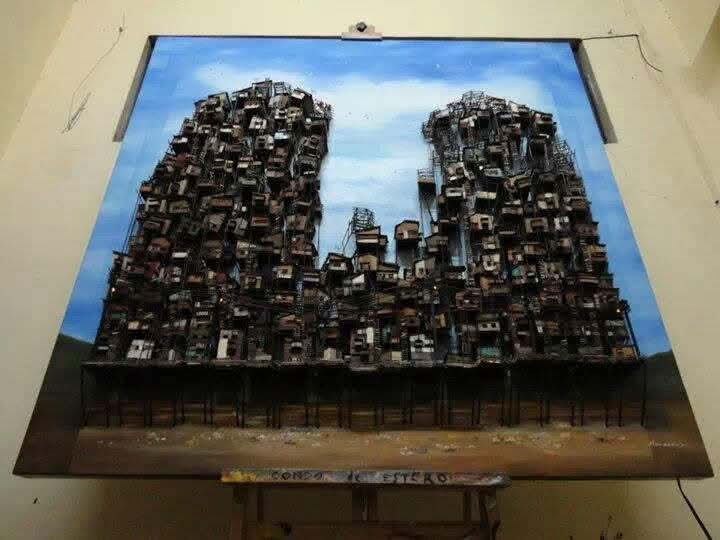 Through these works, he recreates dense urban communities, makeshift homes, tangled electrical wires, patched walls, and improvised rooftops with extraordinary precision. Furthermore, every detail reflects the realities and resilience of everyday Filipino life.
- Dense urban communities
- Makeshift housing and barong-barong structures
- Tangled electrical wires
- Improvised roofing and patched walls
To create these miniature worlds, he uses recycled materials such as scrap wood, aluminum cans, bamboo, rubber, plastic, and metal fragments. As a result, his sculptures combine environmental awareness with powerful social commentary.
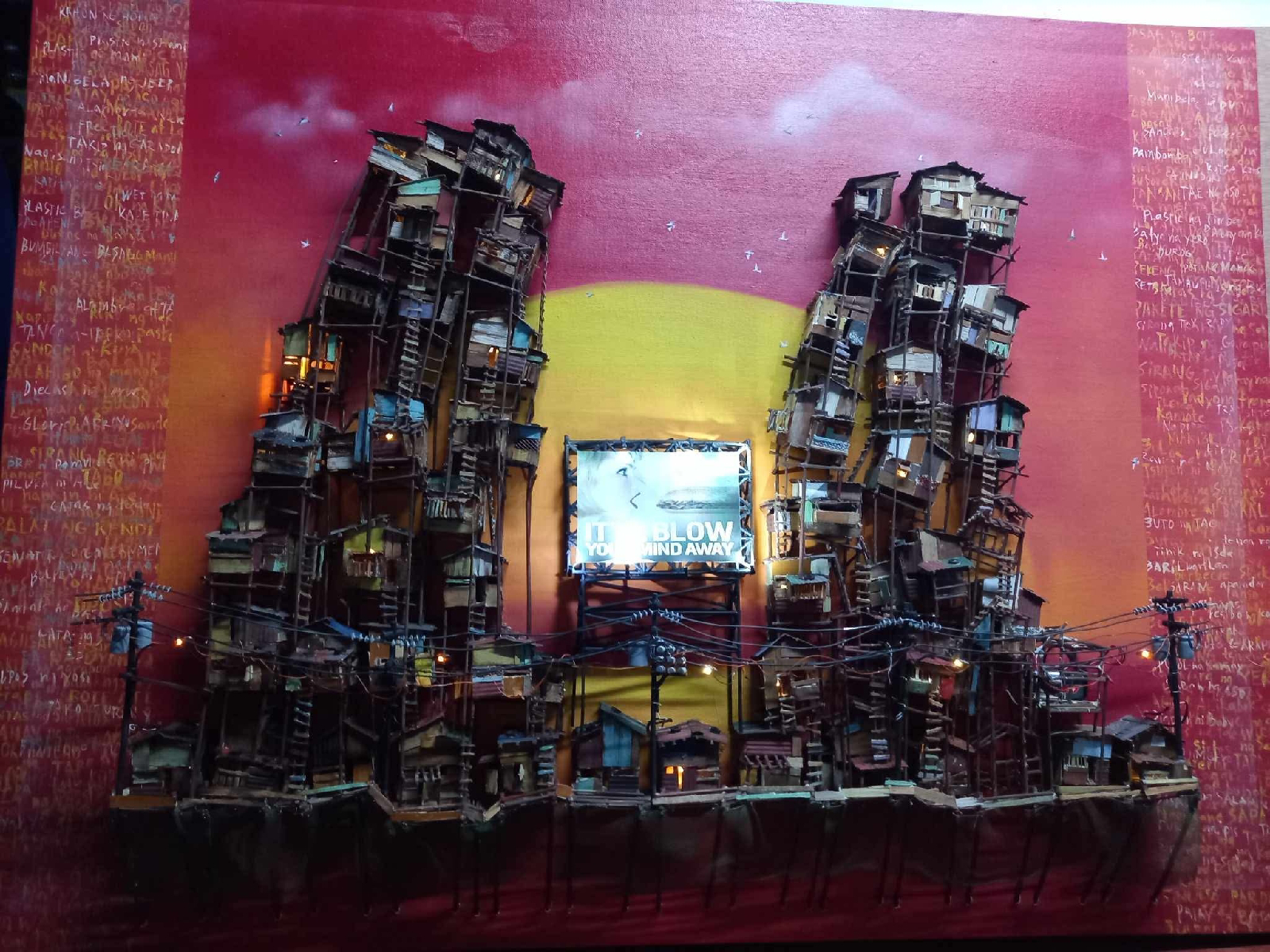 Because of this unique approach, many art observers regard his work as an important contribution to the Filipino recycled art movement, sustainable sculpture art, and contemporary Southeast Asian social realism.
- Filipino recycled art movement
- Sustainable sculpture art
- Contemporary Southeast Asian social realism
In addition, his meticulous craftsmanship allows viewers to appreciate both the technical complexity and the emotional depth of each piece. Every sculpture tells a story, inviting audiences to reflect on community, survival, and cultural identity.
Breakthrough at ManilArt: Rise in the Philippine Art Scene
 A major breakthrough in Estong Guiruela’s career came through his participation in ManilArt, one of the Philippines’ most prestigious art fairs.
 In 2015, one of his mixed media artworks attracted the attention of collectors and was purchased by a prominent buyer. Consequently, this milestone introduced his work to a wider audience and strengthened his presence in the contemporary Philippine art scene.
Moreover, the recognition opened new opportunities for exhibitions, commissions, and collaborations. As a result, more people began discovering his innovative approach to recycled art and miniature sculpture.
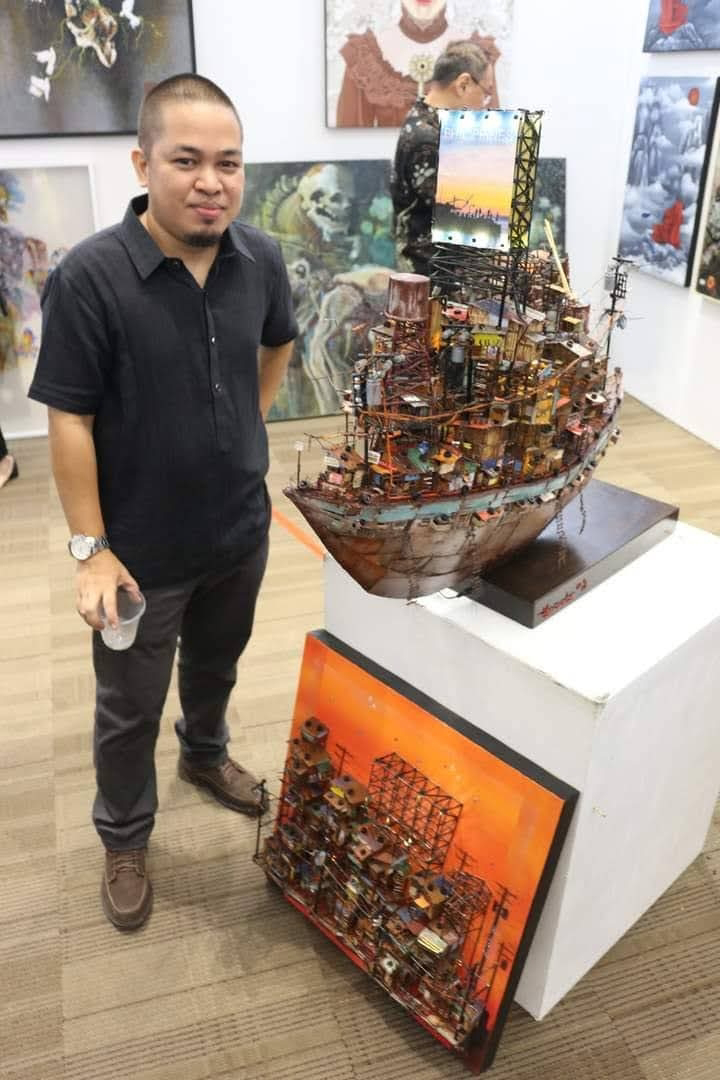
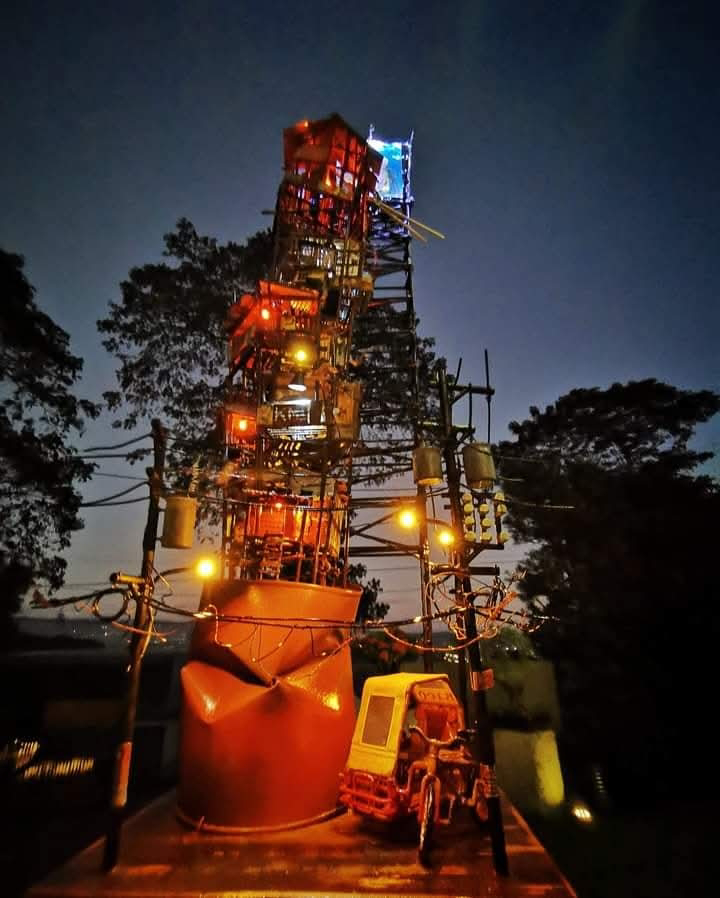
Several years later, he returned to ManilArt with his now-famous artwork “Pinoy Tataynik.” The piece creatively reimagined the Titanic through a distinctly Filipino perspective while incorporating miniature shanty house elements and recycled materials.
International Recognition: A Filipino Artist with Global Reach
As Estong Guiruela’s reputation grew, his work began attracting attention beyond the Philippines. Collectors, cultural institutions, and art enthusiasts from different parts of the world recognized the originality and craftsmanship behind his miniature sculptures.
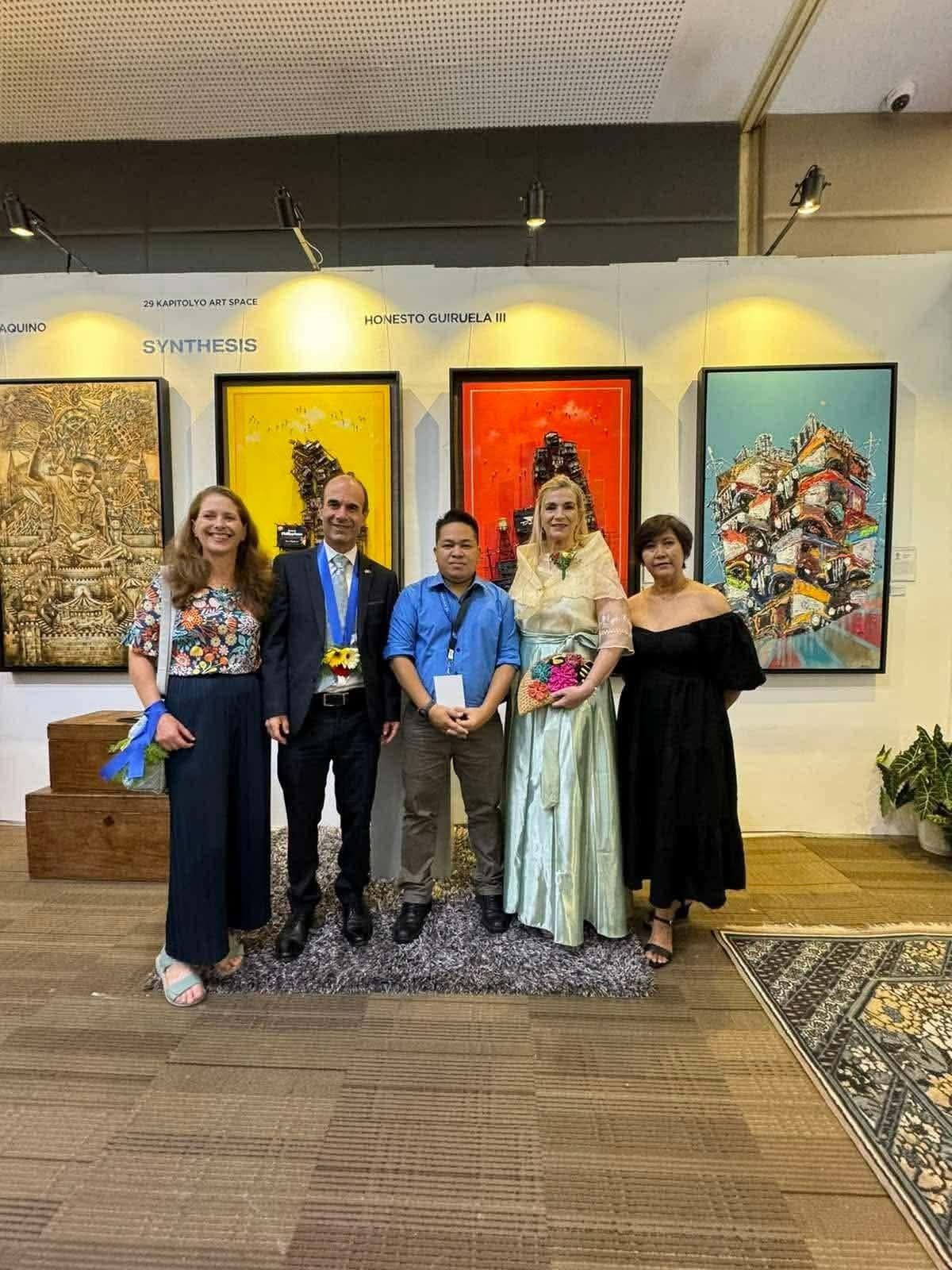 Today, he has received commissions and support from clients and collectors in the United States, Singapore, Hong Kong, Switzerland, and other countries. As a result, his artworks have become ambassadors of Filipino creativity on the international stage.
One of his most notable projects came from the Swiss Ambassador, who commissioned a detailed miniature jeepney sculpture. The piece showcased both Filipino culture and Estong’s signature approach of transforming recycled materials into meaningful works of art.
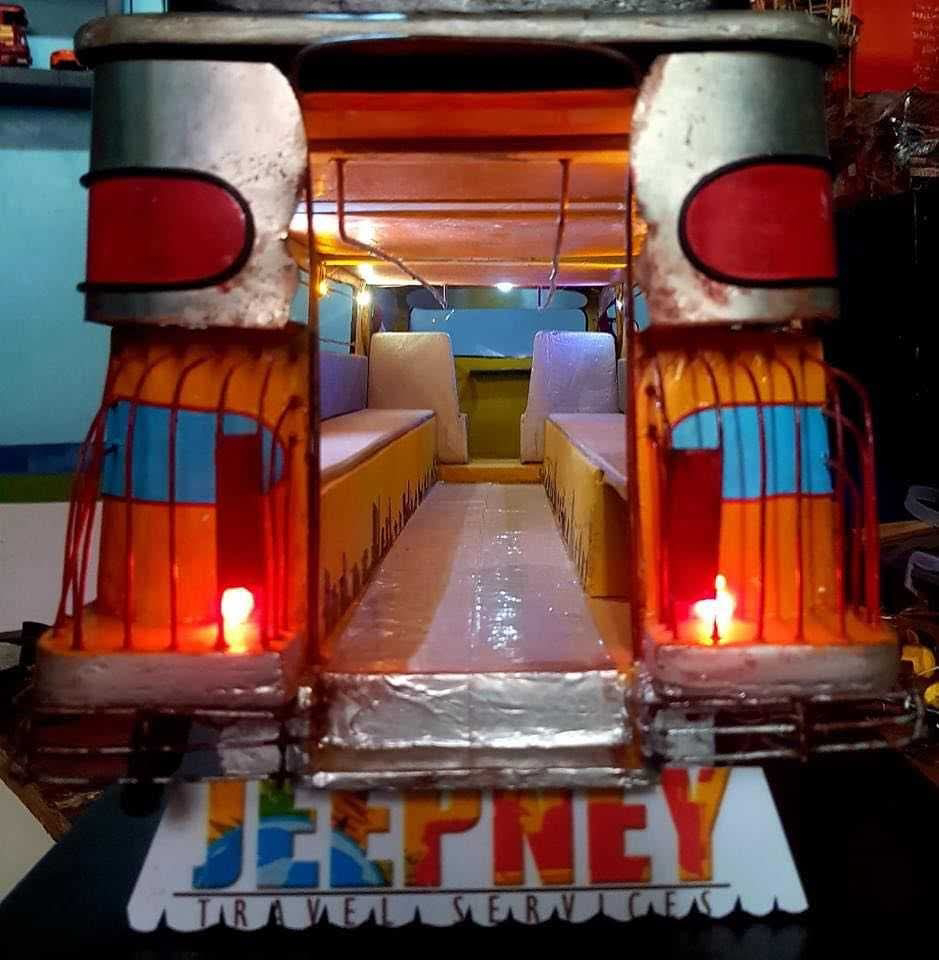 In addition, his creations have appeared in international magazines, newspapers, television features, online publications, and contemporary art exhibitions. Consequently, his growing visibility has strengthened global appreciation for Filipino mixed media art and sustainable sculpture practices.
Promoting Art Beyond the Gallery
While exhibitions remain an important part of his career, Estong also dedicates time to sharing his knowledge with aspiring artists and students. Through workshops, lectures, and speaking engagements, he encourages others to explore creativity regardless of their circumstances.
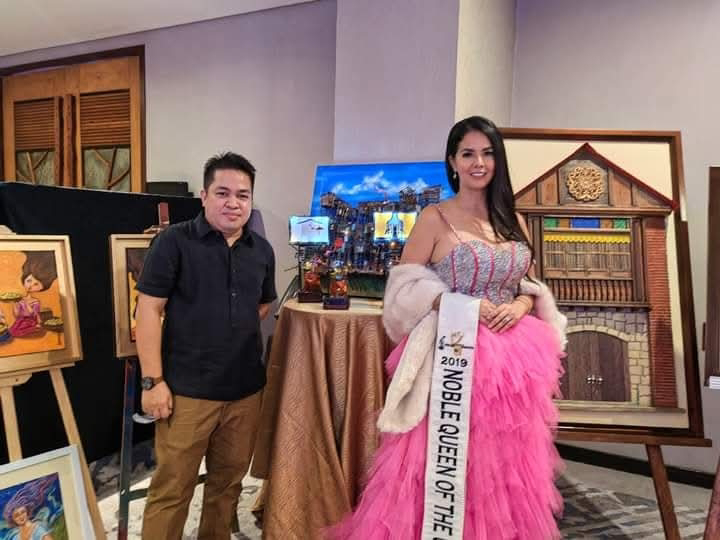 Moreover, he regularly participates in:
- Art talks and motivational speaking events
- School and university workshops
- Cultural and institutional art projects
- Youth mentoring and creative development programs
Through these initiatives, he demonstrates that artistic expression is not limited by financial resources. Instead, creativity often flourishes when people learn to see possibilities where others see limitations.
Art Philosophy: Finding Value in the Discarded
At the heart of Estong Guiruela’s work is a simple yet powerful belief: materials that many people consider useless can become meaningful works of art when approached with imagination and purpose.
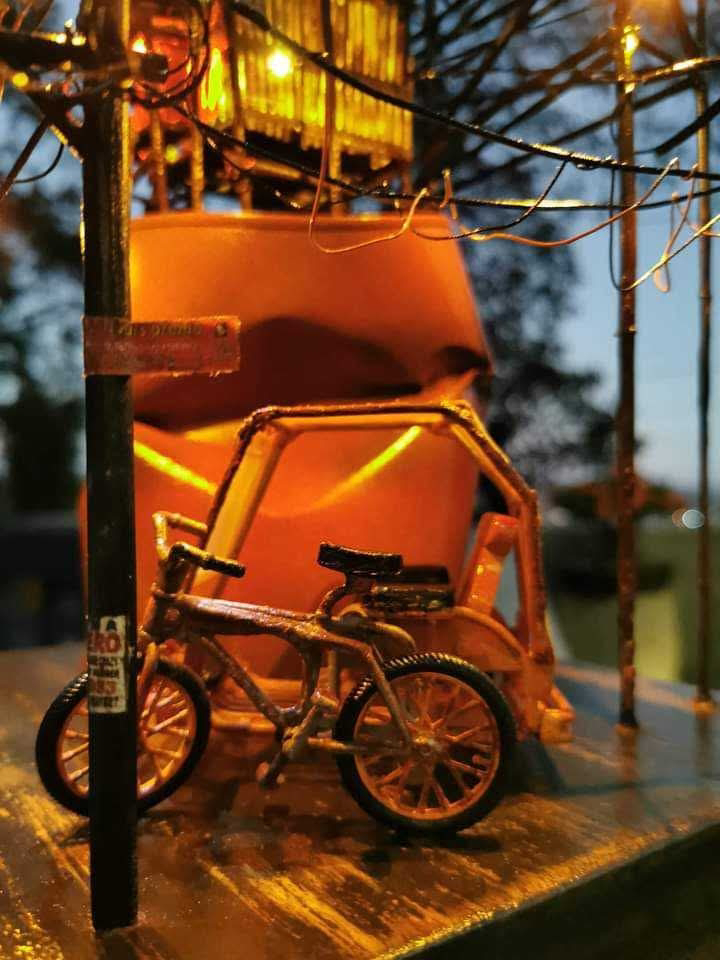 Rather than focusing solely on aesthetics, his sculptures tell stories about everyday Filipino life. At the same time, they promote environmental awareness by demonstrating the creative potential of recycling and upcycling.
His work consistently highlights:
- Recycling and sustainability in contemporary art
- Social realism and community narratives
- Filipino culture and identity
- Creative innovation through mixed media
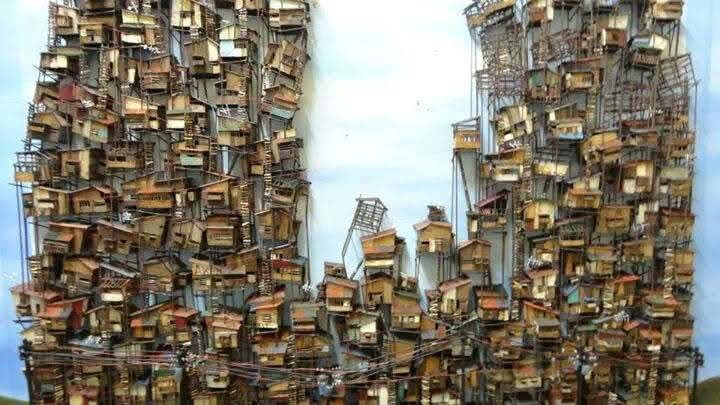 Furthermore, each sculpture preserves memories, experiences, and cultural observations. Every miniature structure reflects a larger story about resilience, resourcefulness, and the human spirit.
 Influence on Contemporary Filipino Art
Over the years, Estong Guiruela has become one of the most recognizable figures in the Filipino recycled art movement. His distinctive style has inspired emerging artists to experiment with unconventional materials while remaining connected to local culture and social realities.
Likewise, his success demonstrates that contemporary Filipino art can achieve international recognition without abandoning its roots. By transforming ordinary objects into extraordinary sculptures, he continues to expand conversations about sustainability, identity, and artistic innovation.
Conclusion: Building Masterpieces from Everyday Materials
Estong Guiruela’s journey is a testament to the power of creativity, perseverance, and vision. From crafting toys out of scrap materials during childhood to becoming an internationally recognized mixed media artist, he has shown that limitations can become opportunities for innovation.
 His sculptures capture the realities of Filipino communities while celebrating their strength, adaptability, and character. Consequently, his work resonates with audiences both locally and abroad.
Today, his creations continue to appear in galleries, art fairs, private collections, and international exhibitions. More importantly, they remind viewers that beauty and meaning can emerge from the most unexpected places.
 As he transforms discarded materials into detailed miniature worlds, Estong Guiruela continues to redefine how people view waste, creativity, and Filipino artistic excellence.
 His story proves that remarkable art does not begin with expensive materials. Instead, it begins with imagination, determination, and the ability to see value where others see none.
Frequently Asked Questions About Estong Guiruela
Who is Estong Guiruela?
Estong Guiruela, whose full name is Honesto “Estong” Guiruela III, is a Filipino mixed media artist known for creating highly detailed miniature sculptures from recycled and discarded materials. His works often portray informal settlements, urban communities, and everyday Filipino life.
What type of art does Estong Guiruela create?
He specializes in mixed media sculpture, recycled art, miniature architectural works, and contemporary social realism. His creations combine artistic craftsmanship with environmental awareness by transforming scrap materials into intricate sculptures.
What materials does Estong Guiruela use in his artworks?
Estong uses various recycled materials, including scrap wood, aluminum cans, metal fragments, plastic, bamboo, rubber, and other discarded objects. Through careful construction and attention to detail, he turns these materials into meaningful works of art.
Why are Estong Guiruela’s artworks significant?
His sculptures highlight important social themes such as poverty, resilience, sustainability, and Filipino identity. Furthermore, his work demonstrates how creativity can transform ordinary materials into powerful visual narratives.
What is “Pinoy Tataynik”?
“Pinoy Tataynik” is one of Estong Guiruela’s most recognized artworks. The sculpture creatively reimagines the Titanic through a Filipino perspective using recycled materials and miniature shanty-house elements. The piece gained widespread attention online and became one of the highlights of his ManilArt exhibition.
Has Estong Guiruela received international recognition?
Yes. His artworks have attracted collectors and clients from several countries, including the United States, Singapore, Hong Kong, and Switzerland. In addition, his work has appeared in international publications, exhibitions, and media features.
What is Estong Guiruela’s artistic philosophy?
His philosophy centers on the belief that discarded materials still possess value and potential. Through art, he demonstrates that waste can become meaningful, beautiful, and socially relevant when viewed through a creative lens.
How does Estong Guiruela contribute to the art community?
Beyond creating artworks, he participates in workshops, educational programs, mentoring initiatives, and speaking engagements. As a result, he inspires young artists to embrace creativity, sustainability, and innovation in their own artistic journeys.
Lessons from Estong Guiruela’s Journey
Estong Guiruela’s story offers valuable lessons that extend far beyond the art world. His career demonstrates that success often begins with resourcefulness, perseverance, and the courage to pursue a unique vision.
One of the most important lessons from his journey is that limitations do not have to define a person’s future. Although he grew up with limited resources, he transformed those challenges into creative opportunities. Consequently, his experiences became the foundation of an artistic style that gained national and international recognition.
Another lesson is the importance of seeing value where others may not. While many people view discarded objects as waste, Estong recognizes their potential for transformation. Therefore, his work encourages audiences to reconsider how they perceive both materials and possibilities.
His career also highlights the power of authenticity. Rather than imitating existing trends, he built a distinctive artistic identity rooted in Filipino culture, everyday realities, and personal experiences. As a result, his artworks connect deeply with viewers from different backgrounds.
The Lasting Legacy of Estong Guiruela
As contemporary Filipino art continues to evolve, Estong Guiruela remains an important figure whose work bridges creativity, cultural storytelling, and environmental awareness. His sculptures preserve aspects of Filipino life while introducing innovative approaches to mixed media art.
Moreover, his influence extends beyond galleries and exhibitions. Through education, mentorship, and public engagement, he continues to encourage future generations of artists to think creatively and work purposefully.
By transforming discarded materials into extraordinary miniature worlds, Estong demonstrates that art can inspire change, preserve culture, and spark meaningful conversations. Consequently, his work serves as both artistic expression and social commentary.
Final Thoughts
Estong Guiruela’s remarkable journey from a resourceful child crafting toys from scrap materials to an internationally recognized mixed media artist stands as a powerful example of what creativity and determination can achieve.
His sculptures celebrate Filipino resilience, ingenuity, and cultural identity while promoting sustainability through artistic innovation. More importantly, they remind us that meaningful creations often emerge from the simplest beginnings.
Today, Estong Guiruela continues to inspire audiences around the world through artworks that transform discarded materials into miniature masterpieces. His story proves that true artistry is not measured by the materials available but by the imagination, passion, and vision behind every creation.